

During the process of developing the characters in my novels I search for images that resemble or inspire the physical description of the primary actors. I used to page through magazines and catalogues to cut out pictures. Now I use the Internet.
Sometimes I have a specific person in mind. Other times I seek a “type.” Because I write young adult novels, I’m often on the hunt for pictures of actors during their high school years.
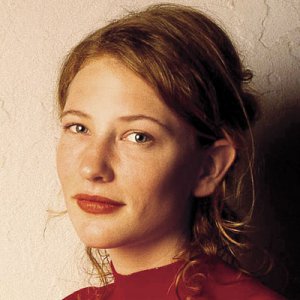 The appearance of Bronwynn (protagonist of Lace Reader) was inspired by Cate Blanchett when she appeared as Elizabeth I. But Bron is fifteen and Ms. Blanchett was older than that when the film was made. So I searched for the most youthful images I could find of the actress.
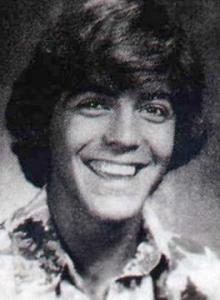
Neville has remarkable blue eyes that crinkle attractively when he smiles. His martial skills are lacking but he takes the teasing he receives in good stride. A young George Clooney seemed to fit the bill.
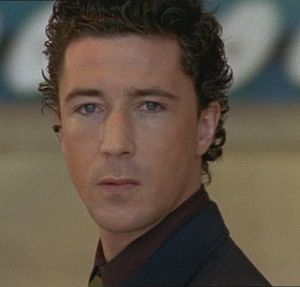
Penryn is a privileged youth who is self-serving and always has an eye on his future. Bron is flattered by his attentions, but should she be? Stuart Alan Jones portrays an attractive yet conniving character in A Game of Thrones and seemed right for this role, too.
Using pictures that resemble the characters I have in mind helps me imagine how they might speak and move through the world I created for them. And when the inspiration for a character is an actor, I can take advantage of their screen presence to observe them in action.
Of course, this is only the outward appearance of the characters in my novel. But a great starting point as I delve deeper into the people of my story.

 Mary S. Potter