Lessons from NANOWRIMO

December 15, 2018 Facebook post

NANOWRIMO taught me a lot about my preferred approach to writing…and it doesn’t include a daily word quota. I experienced the same stress of a timed test as if I was back in school. I also tend to circle back through the previous day’s work to fix things and get me back into the story before continuing. And, when I come up with ideas or corrections while away from the story I go back and fix those before writing new scenes.

Feeling a little burnt out after the November effort. I was going to edit the “NANO” story, then decided to set it aside.

However, the one-sentence blurb for a fantasy novel sparked my own ideas for how I’d write the story. I started pulling together research material and brainstorming from 2-3 unfinished projects. We’ll see where this takes me.

NANOWRIMO 2018

November 30, 2018 Facebook post

NANOWRIMO ends at midnight, but I’m done — with 47,348 words written and the climactic scene completed. I continued to write while out of town for Thanksgiving, but couldn’t keep up with the daily count to meet the 50,000 word goal and never made it up. Time with good friends was more precious than the novel.

I doubt I’ll participate in NANOWRIMO next year, but one never knows. It’s a fun and enlightening effort.

NANOWRIMO 2018

November 16, 2018 Facebook post

images-1

I’m pretty much keeping up with the daily word count for NANOWRIMO and somehow stumbling into scenes to add. Not sure if they move the plot forward as hoped, but I keep reminding myself it’s a first draft. They aren’t meant to be polished!

Photo inspiration for my protagonist. I’m using actors past and present, American and British, as visuals for my cast.

2018 NANOWRIMO

October 27, 2018 Facebook post

Crest_NANOWRIMO

I’m setting aside my second novel about Mara (Ma’rama, Emperor’s Emissary) to participate in NANOWRIMO (National Novel Writing Month). Creator Chris Baty pondered why so many writers never finish their novels. He decided what was needed was a deadline. Like a term paper. He finally settled on November and hoped writers could spend one month focused on their writing. Now thousands of participants around the world join in the attempt to write a 50,000 during November.

My project takes place in the far future when humans have colonized space. It’s titled “The Interpreter.” Raised by her merchant-trader grandfather, Ordahl, Kennis has mastered several languages in addition to the Universal Trade Tongue. This ability saves Kennis’ life when she is erroneously arrested as a smuggler. Or does it?

We’ll see how well I do. I’ve done some research and character selection, and I have a couple of plot points in mind. But much of the story is still a mystery to me.

World Building “Ma’rama, Daimyo’s Daughter”

September 13, 2018 Facebook post

Map_CrestedEagle

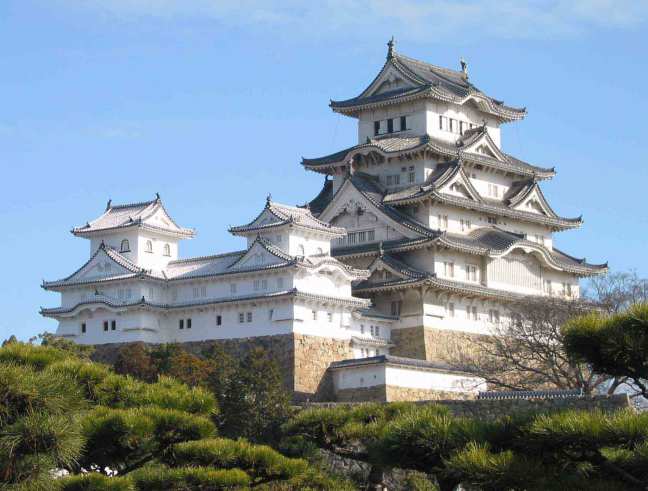
World building usually involves a map of the fantasy world. Here’s the one I created for the island empire of Taykoku Koganay Ree’ukyu.

World building can become a trap. It’s so easy to become absorbed in every aspect of the geography and culture, and it’s really tempting to include every detail. To avoid boring “info dumps,” it’s best to insert information about the fantasy world or backstory only when needed.

Character Images: “Ma’rama, Daimyo’s Daughter”

September 4, 2018 post on Facebook

Gowen

During the story arc protagonists are aided and supported through their trials and adventures by friends and companions. Mara has her twin sister, Hana, and they meet the brigand, Kai. However, their most loyal companion is Master of Arms Gowan, a former samurai knight who oversees the training of Iwi Norgaard’s men-at-arms.

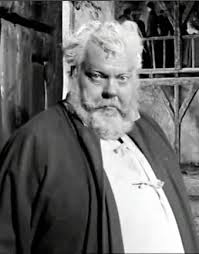
Inspiration for Master Gowan was a picture of Orson Wells in the role of Falstaff.

Character Images For “Ma’rama, Daimyo’s Daughter”

August 31, 2018 Facebook post

Shigeru Tamura

Every good story requires an antagonist who makes life difficult for the main character. Actor Ken Watanabe was the image I chose for Tamura Shigeru (last names come first the setting for my novel). Shigeru believes he’s acting in the best interests of the empire. When Mara and her twin Hana interfere with his plans, Shigeru attempts to eliminate them.

POV

From August 19, 2018 Facebook Post

POV. It’s author-speak for point of view. In story telling, it’s the voice telling the story. In first person, it’s one of the characters. In third person it’s usually an all-knowing, non-character with an overall view of the story events.
In writing workshops and books on writing, POV is often referred to as the filter through which the story is told.
Retirements, obituaries, and funeral/memorial services recall the recent history of a retiree or lifetime of the deceased through the POV of their coworkers, family, and friends. The stories, usually favorable, become interesting when they reflect an aspect of the person’s life unfamiliar to you (for example, the family life of a teacher). They are even more interesting when the stories relate to personality traits of or events in the life of the retiree or deceased that are completely opposite of your own personal recollections.
Imagine. A person tells a story illustrating the deceased’s generosity. Yet you have personal experiences that are completely opposite.
What if, as a young person, you hear family members share experiences and stories about a long-time family acquaintance that aren’t particularly flattering. At a later time you hear remembrances about the individual from a different perspective that conflict with the opinions of the elders you love and respect. Whose viewpoint is correct? Could both be accurate? Has time softened memories?
Hmmm.
POV. It’s one of the most important choices an author can make. And the decision can alter the entire meaning and outcome of the story. So think about one of your favorite books and how different it might be if told from a different POV. Either a different character, or a third person all-knowing observer.